





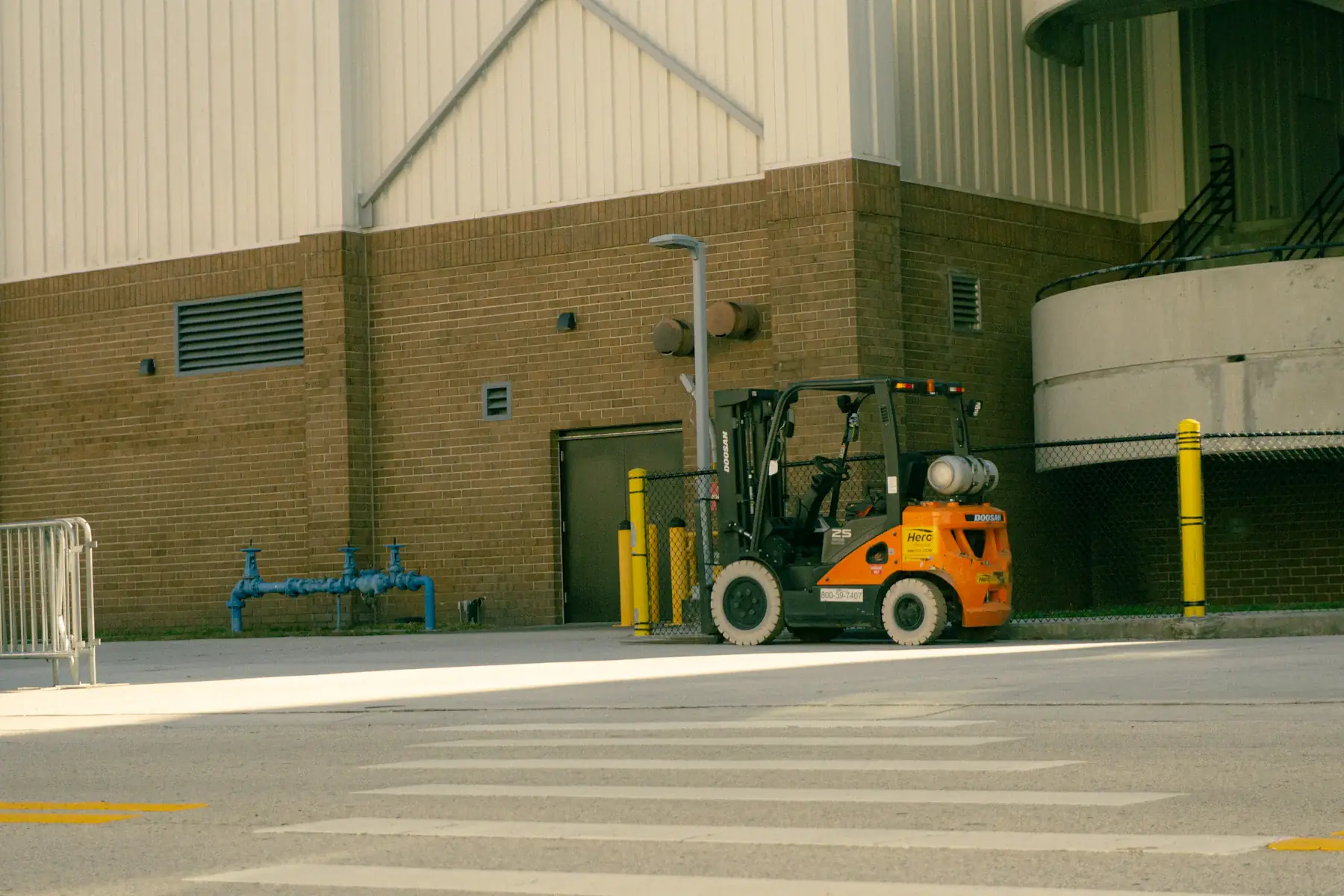
A Business Owner’s Guide to Equipment Leasing
Leasing equipment offers businesses a flexible way to manage costs and stay current with evolving technology. This article breaks down the types of equipment leases,…

Most business disputes start with a contract that was vague, one-sided or never quite fit the deal.
We write agreements in clear language, built around how the business actually operates, and we review the other side's paper so our clients know what they are signing. For companies with a steady flow of contracts, we often serve as outside general counsel.
What each side is delivering, in enough detail that both sides can tell when it is done.
Price, timing, late charges and what happens to payment if the work is disputed.
How long the contract lasts, how it renews and how either side can end it.
Caps on damages and the kinds of losses that can't be claimed.
Who covers losses from third-party claims, and when.
Governing law, venue and whether disputes go to court or arbitration.
Our article on equipment leasing covers one of the contracts businesses sign most often.
We learn what the business needs from the relationship and where the risks are.
We prepare the first draft or mark up the other side's paper with explanations.
We work through open points directly or behind the scenes, whichever the client prefers.
Final versions are checked, signed and stored where the client can find them.
Renewals, amendments and new projects are handled as the relationship changes.
Have a question that isn't answered here? Call us at (817) 631-8842 or send a message.
Ask a QuestionA template can be a starting point, but it rarely fits the deal, the industry or Texas law. The terms that matter most in a dispute, such as limits on liability, indemnification and how the contract can be ended, are where templates tend to fall short.
Yes, and that is much of our contract work. We explain the terms that carry risk, suggest changes and help you decide which points are worth negotiating given the size and importance of the deal.
Yes. Texas has adopted the Uniform Electronic Transactions Act, so electronic signatures are generally as enforceable as handwritten ones. A few documents, such as wills, have their own signing requirements.
Many are, but they are hard to prove. Texas also requires certain agreements to be in writing, including most contracts that can't be performed within a set period and agreements to sell real estate.
Leasing equipment offers businesses a flexible way to manage costs and stay current with evolving technology. This article breaks down the types of equipment leases,…

Navigate franchise agreements with confidence. Learn what to review in Franchise Disclosure Documents (FDDs) and key provisions, from fees to noncompete clauses, to…

The FTC's "Click to Cancel" rule streamlines subscription cancellations, requiring businesses to make the process as simple as signing up. This update ensures…
Initial consultations are held by Zoom and typically last 20 to 30 minutes.
150+ five-star reviews on GoogleRead them on Google: Plano office reviews (opens Google) and Southlake office reviews (opens Google)
Reviews describe individual clients' experiences. Every matter is different, and past results do not guarantee a similar outcome.