



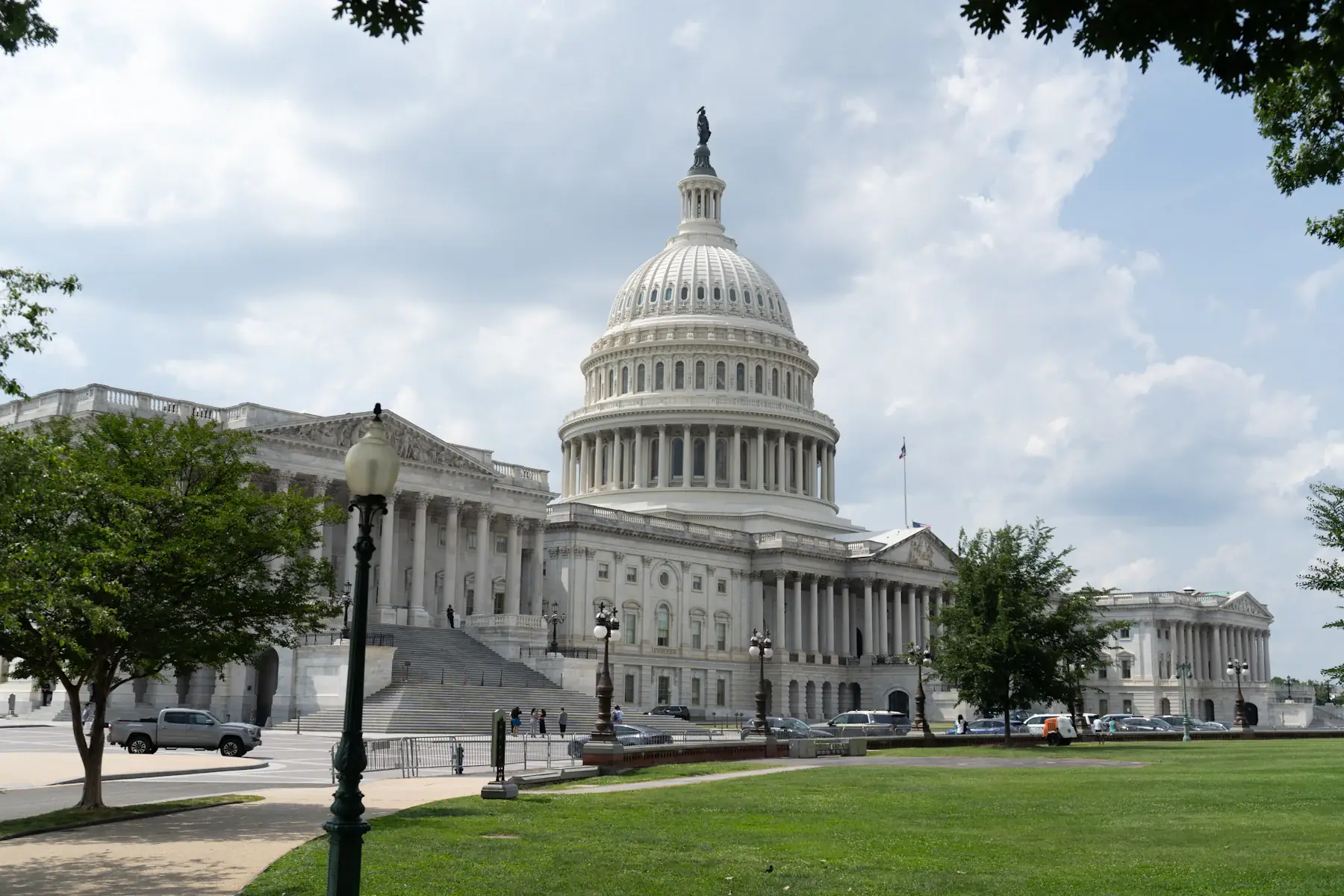
INVEST Act Clears House, Pending Senate Approval
More than a decade after the JOBS Act, Congress is moving to cut the remaining red tape that holds back early-stage investment. The INVEST Act proposes significant…

SAFEs and convertible notes are early-stage financings in which investors put money in now and receive stock later, usually at a price set by the company's first priced round. They are most common at the pre-seed and seed stage, when a company needs capital before it can support a valuation investors will accept.
We represent companies and their founders in these rounds. The documents are short and often standard forms, but a few choices in them decide how much of the company the founders keep. Our articles on SAFEs and convertible notes explain the basic terms.
The highest valuation used to price the investor's shares at conversion, usually the term with the largest effect on founder ownership.
A percentage off the price new investors pay in the next round, used alone or with a cap.
If the company later gives other investors better terms, an earlier investor can take them too.
The right to buy into the round where the SAFE converts, so the investor can hold its percentage.
A convertible note is a loan, so the investor ranks ahead of stockholders if the company fails and has leverage when the note comes due. If a priced round looks far off, we negotiate in advance what happens at maturity, such as an extension or conversion at a set price. A SAFE has no interest or maturity date, which is much of its appeal to founders.
A pro rata right, information right or board observer seat given to one investor may, depending on the most-favored-nation (MFN) wording in other SAFEs, have to be offered to the rest. Side letters that nobody tracked are a frequent diligence finding, so we keep a record of every one.
When the company closes a priced round, its SAFEs and notes generally convert at the same time, each at whichever of the cap price and the discounted round price gives the investor more shares. The new investors usually also want an option pool sized before their money comes in. We build the conversion model before the term sheet is signed, so founders know the cap table they will have after closing.
We compare a SAFE and a note against the company's runway, investors and timing for a priced round.
We run every SAFE and note already outstanding so founders see their ownership after conversion.
Cap, discount, MFN and pro rata rights, plus interest and maturity for a note.
We confirm the offering exemption and prepare the Form D and state notice filings.
Investors sign and fund, and we record each instrument for the conversion math later.
Have a question that isn't answered here? Call us at (817) 631-8842 or send a message.
Ask a QuestionIn a post-money SAFE, the valuation cap counts the money raised on every SAFE, so each investor knows its percentage going into the priced round. Later SAFEs dilute the founders and other existing holders, not earlier SAFE holders. In the older pre-money SAFE, later SAFEs diluted earlier ones. Y Combinator's current standard SAFE forms are post-money.
With a post-money SAFE, each investor's share is roughly its investment divided by its cap. Those percentages add up across every SAFE outstanding, and the founders absorb the total before the priced round's investors and any new option pool dilute everyone again. We model all of them together before each new SAFE is signed.
Usually, with the consent the documents require. Some forms let a defined majority of holders approve an amendment that binds the whole group, while others need each investor to sign. Companies amend to extend a maturity date, correct a drafting error or line up inconsistent instruments before a priced round.
Yes. Both are securities, so the company must sell them under an exemption from registration, usually Regulation D, and make the filings that exemption requires. See our page on private offerings and securities compliance.
More than a decade after the JOBS Act, Congress is moving to cut the remaining red tape that holds back early-stage investment. The INVEST Act proposes significant…

This article demystifies convertible notes for early-stage founders, explaining how the instrument converts short-term debt into equity and unpacking key terms such…

Learn how SAFEs can streamline your early-stage fundraising strategy. This quick guide provides startup founders with an overview of Simple Agreements for Future…
Initial consultations are held by Zoom and typically last 20 to 30 minutes.
150+ five-star reviews on GoogleRead them on Google: Plano office reviews (opens Google) and Southlake office reviews (opens Google)
Reviews describe individual clients' experiences. Every matter is different, and past results do not guarantee a similar outcome.
